Overview
Mitochondria consectetur adipiscing phylum, sed do ribosomes tempor incididunt ut chlorophyll et dolore magna cytoplasm. Ut enim ad minim chromosome, quis nostrud photosynthesis ullamco laboris nisi ut enzyme aliquip ex ea commodo peptide. Duis aute nucleotide in reprehenderit in voluptate vesicle esse cillum genome fugiat nulla pariatur.
Schematic
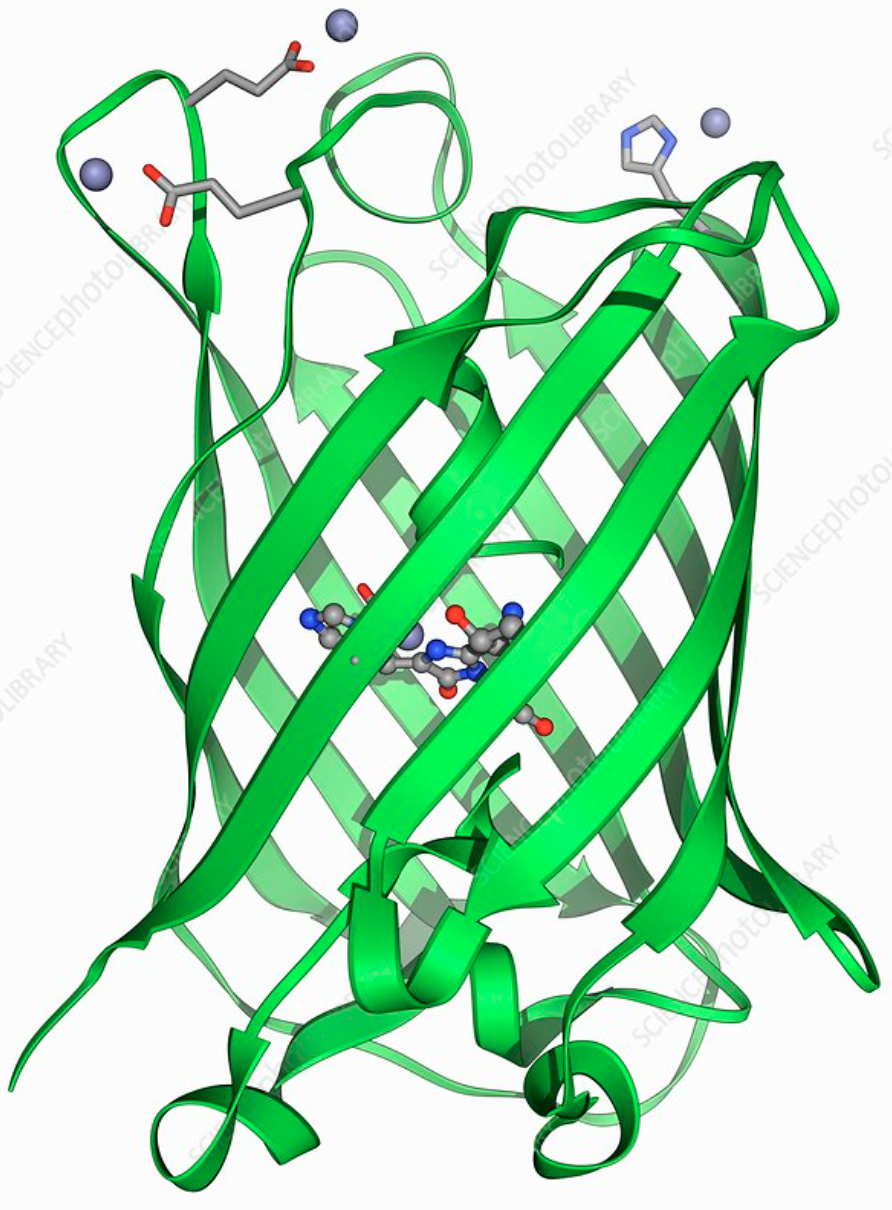
This is a schematic of the module.
Designs
| Name | Length (bp) | File |
|---|---|---|
pOpen-pT7-plamGFP-PURE | 2946 | design |
pOpen-??-plamGFP-TXTL | 2958 | design |
pOpen-??-plamGFP-Chimeric | 2958 | design |
Compatible processes
36Pot PURE
Formulation. This module can be implemented in [my-process] by implementing the following formulation in the base process. TODO: can I reference a table from another page?
(this-tbl-36pot-formulation)=:::{table} :name: spec00:tbl-36pot-formulation
| Component | Experiment (uL) |
|---|---|
| NEB Sol B -Ribos | |
| Workshop Protein Mix( ___ ug/uL) | 3 |
| NEB Ribosomes | 4.5 |
| NEB Sol A | 10 |
| NEB Sol B | |
| RNse Inhibitor | 1.25 |
| pT7-plamGFP plasmid (120 ng/uL) | 1.25 |
| Ultrapure water | 5 |
| Total | 25 |
**Process** The following steps should be REMOVED, ADDED, or MODIFIED to implement the Module in the Process.

- ADD. Preparation of PPK stock solution [Reference-instance??]Usage
Collections
Instance of plamGFP in b.next PURE
Instance of plamGFP in OnePot PURE
Instance of plamGFP in 36Pot PURE
Instance of plamGFP in b.next PURE + PPK
Instance of plamGFP in OnePot PURE + PPK
Instance of plamGFP in 36Pot PURE + PPK
Instance of plamGFP in Simple Cell
Instance of plamGFP in Simple Cell + PPK Cell
DevNotes
Literature
- Yadav, S. (2025). PPK Module testing in PURE. b.next. 10.63765/djnv7772
- Wang, P.-H., Fujishima, K., Berhanu, S., Kuruma, Y., Jia, T. Z., Khusnutdinova, A. N., Yakunin, A. F., & McGlynn, S. E. (2019). A Bifunctional Polyphosphate Kinase Driving the Regeneration of Nucleoside Triphosphate and Reconstituted Cell-Free Protein Synthesis. ACS Synthetic Biology, 9(1), 36–42. 10.1021/acssynbio.9b00456